How to Choose the Right Spiritual Retreat: FAQ for Serious Seekers
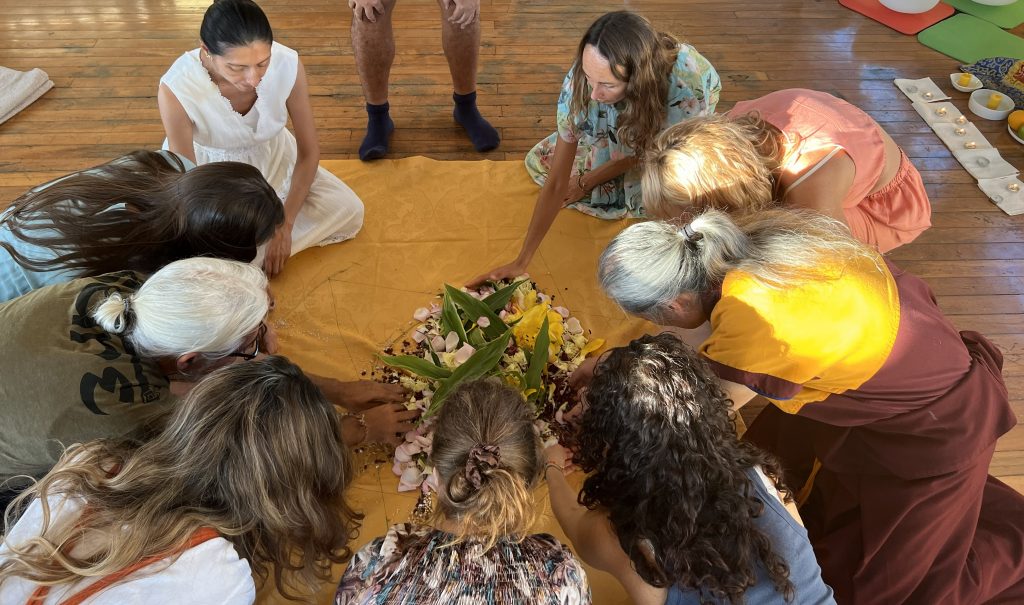
Choosing a spiritual retreat is rarely an impulsive decision. It usually emerges from a period of internal questioning – a growing awareness that something within needs attention, recalibration, or deeper understanding. At this stage, curiosity becomes more precise. The questions shift from “Should I go?” to “Where, how, and under what conditions will this actually be meaningful?”
This distinction matters.
Not all retreats are created with the same depth, structure, or psychological awareness. While many offer beautiful locations and curated experiences, fewer are designed to truly support inner work in a way that is both transformative and sustainable.
This guide is written for those who are already considering a retreat and want clarity before committing. It addresses the practical and often overlooked aspects of the experience – from safety and facilitation to structure, expectations, and integration.
What Is a Spiritual Retreat (From a Practical Perspective)
A spiritual retreat is a deliberately structured environment designed to reduce external noise and increase internal awareness. It is not simply time away from routine, but a shift in context – one that allows deeper patterns of thought, emotion, and perception to become visible.
In practical terms, a retreat creates three essential conditions:
- Separation from daily input (technology, obligations, roles)
- Intentional structure (practices, rhythm, guidance)
- Supportive environment (nature, facilitation, group field)
These elements work together to create a space where internal processes can unfold with more clarity and less resistance.
For an advanced participant, the value of a retreat lies not in novelty, but in precision – how accurately the environment supports the depth of work they are ready to engage with.
Who Should Consider a Spiritual Retreat
Spiritual retreats are most relevant for individuals who are already aware that surface-level solutions are no longer sufficient.
This often includes people who:
- Feel internally “stuck” despite external success
- Are moving through a period of transition or redefinition
- Seek deeper self-understanding beyond conceptual knowledge
- Want to stabilize or expand an existing spiritual practice
- Recognize recurring emotional or behavioral patterns
For this audience, a retreat is not about escape. It is about intentional interruption – creating the conditions necessary to see clearly and recalibrate consciously.
How to Choose the Right Spiritual Retreat
Selecting the right retreat requires looking beyond aesthetics and into structure.
Key factors to evaluate:
- Facilitation quality
Who is guiding the experience? What is their background – not only spiritually, but psychologically? Can they hold complexity, or do they rely on rigid frameworks? - Level of structure
Is the retreat overly scheduled, leaving no space for integration, or too loose, lacking coherence? The most effective retreats balance guidance with autonomy. - Group size and dynamics
Smaller groups often allow for more individual attention and a more stable emotional environment. - Integration support
Is there preparation before arrival and support after the retreat? Without integration, even profound experiences tend to fade. - Clarity of intention
Does the retreat communicate a clear purpose, or is it trying to appeal to everyone?
A well-designed retreat is not defined by how much it offers, but by how aligned and intentional each element is.
What to Expect During a Retreat
While each retreat varies, most structured experiences include:
- Daily meditation or mindfulness practices
- Breathwork or somatic exercises
- Periods of silence or reduced communication
- Group sessions or guided processes
- Time in nature
- Rest and reflection periods
Participants often move through phases:
- Decompression – releasing external tension
- Confrontation – encountering internal patterns
- Clarity – gaining insight or perspective
- Integration – stabilizing new awareness
Not every retreat is intense, and not every moment is profound. The depth of the experience depends less on the schedule and more on the participant’s capacity for presence and honesty.
Psychological Safety and Retreat Environment
One of the most underestimated aspects of a retreat is psychological safety.
A safe retreat environment does not mean comfortable at all times. It means:
- Clear boundaries
- Respect for individual pace
- No pressure to perform or “break through”
- Skilled facilitation during emotional processes
Without these elements, participants may feel overwhelmed, disconnected, or unsupported.
Safety is what allows depth to emerge without destabilization.
Retreat Structure and Daily Flow
Structure is what transforms a retreat from a loose gathering into a coherent process.
A well-balanced retreat includes:
- Rhythm (predictable flow of the day)
- Variation (different types of practices)
- Space (time for rest and personal reflection)
Over-structured retreats can create pressure and fatigue. Under-structured retreats can lead to confusion and lack of direction.
The goal is not constant activity, but intentional pacing.
Integration: What Happens After the Retreat
The retreat itself is only one part of the process. Integration determines whether the experience has lasting value.
Integration includes:
- Reflecting on insights without over-interpreting
- Gradually applying changes to daily life
- Maintaining practices that support awareness
- Allowing time for emotional and cognitive adjustment
Without integration, even meaningful breakthroughs can become temporary.
With integration, subtle shifts can lead to long-term transformation.
Common Misconceptions About Spiritual Retreats
“A retreat will fix my life”
A retreat can provide clarity, but it does not replace ongoing work.
“More intense means more effective”
Intensity without structure can lead to overwhelm, not insight.
“Location is the most important factor”
Environment matters, but facilitation and structure matter more.
“Everyone will have the same experience”
Each participant’s process is different, even within the same retreat.
Frequently Asked Questions About Retreats
Choosing the right retreat is an important step on your spiritual path, and it’s natural to have questions as you consider this deeply personal experience. Below you’ll find answers to the most common questions about our spiritual retreats, designed to support clarity, trust, and confident decision-making.
What is a spiritual retreat and who is it for?
A spiritual retreat is an immersive experience that allows you to step away from daily distractions and reconnect with your inner self. Our retreats are created for those seeking spiritual awakening, emotional healing, personal transformation, and a deeper connection with nature and consciousness. Whether you are at the beginning of your journey or already experienced in inner work, the space is designed to meet you where you are.
Where are your retreats held?
Our retreats take place in energetically powerful and naturally supportive environments, including Costa Rica, Peru, and across Europe. Each location is carefully selected for its unique energy, safety, accessibility, and ability to support deep spiritual work and reconnection with nature.
What can I expect during a retreat experience?
Each retreat is a structured yet intuitive journey that may include daily practices such as meditation, breathwork, embodiment sessions, energy work, nature immersion, and guided ceremonies. Participants often experience emotional release, clarity, expanded awareness, and a renewed sense of purpose. The schedule is intentionally designed to balance inner work, rest, integration, and connection.
Are your retreats safe?
Creating a safe and supportive environment is our highest priority. All experiences are guided with care, respect, and deep presence. We emphasize emotional safety, personal boundaries, and grounded facilitation to ensure that every participant feels supported throughout their process.
Do I need prior experience with spiritual practices?
No prior experience is required. Our retreats are accessible to both beginners and advanced practitioners. Guidance is provided at every step, allowing you to enter the experience with openness rather than expectation.
What are the benefits of attending a spiritual retreat?
Attending a retreat can support profound personal transformation, including emotional healing, mental clarity, nervous system reset, and spiritual growth. Many participants report feeling more aligned, grounded, and connected to their life purpose after the experience.
How do I choose the right retreat for me?
Choosing the right retreat depends on your intention – whether it is healing, awakening, rest, or deeper exploration of consciousness. We recommend tuning into what you feel called to at this moment in your life. Each of our retreats carries a clear intention, allowing you to select the experience that resonates most with your current stage.
What should I prepare before attending a retreat?
Preparation may include setting intentions, reducing external distractions, and creating space mentally and emotionally for the experience. You will receive detailed guidance before your retreat to help you arrive grounded, open, and ready for the journey.
How do I apply or book a retreat?
You can apply through our website by filling out a short application form. This helps ensure that the retreat is aligned with your needs and intentions. After submission, our team will guide you through the next steps to confirm your place.
Final Considerations Before Booking
A spiritual retreat is not a temporary escape from life, but a structured return to clarity. The real value lies not in peak experiences, but in what remains accessible afterward – the stability of awareness, the quality of attention, and the ability to engage with life more consciously.
Choosing the right retreat is less about finding the most attractive option and more about recognizing where depth, safety, and coherence are genuinely present.
When the structure is right, the process does not end when the retreat finishes. It continues – more grounded, more integrated, and more aligned with how you move through your everyday life.