
Demeter in Women’s Lives: Mother Teresa, Florence Nightingale, and Maria Montessori
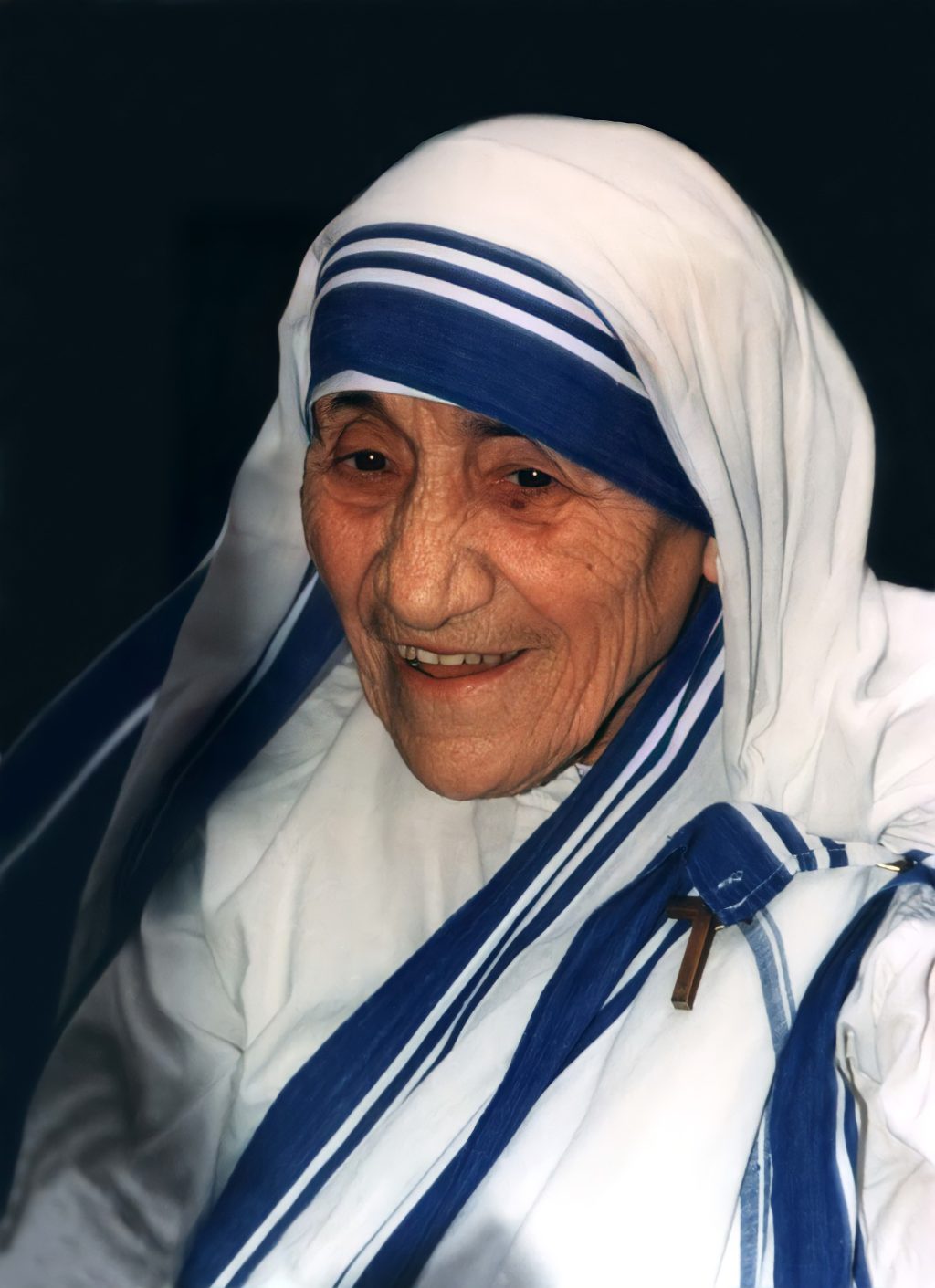
A meal placed beside someone who has nowhere to sleep. Clean linen beneath a wounded soldier. A classroom arranged so that a child can finally do something without asking an adult.
Care takes different forms. Sometimes it keeps a person alive through the night. Sometimes it changes the conditions in which thousands of people live. Sometimes its greatest achievement is the moment someone no longer needs quite so much help.
These are expressions of Demeter: the maternal power that nourishes, protects, and helps life grow.
Mother Teresa, Florence Nightingale, and Maria Montessori each bring that power into public life. Their care reaches beyond a private household and becomes a vocation, an institution, a lasting influence on how other people are treated.
Yet their stories also reveal the difficult questions within care. How does compassion become authority? What happens when a calling consumes the person who answers it? How can someone devote herself to children while struggling to live her own motherhood?
The Demeter archetype gives us a way to explore these questions. Each woman remains larger than the archetype, with other ambitions, convictions, gifts, and contradictions. But through particular choices and relationships, the ancient goddess becomes recognisable in a human life.
Mother Teresa: Making Room for the Unwanted
In a city crowded with people, someone can still be utterly alone.
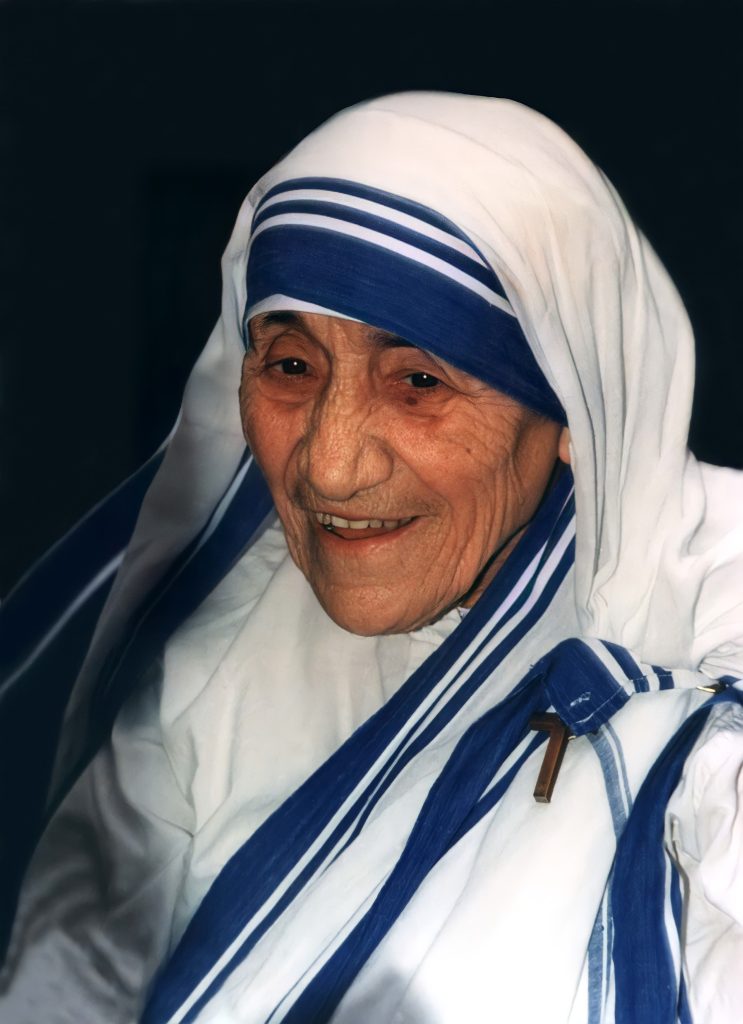 A person lies ill while others continue past. There may be no family able to help, no money, no welcoming doorway. The need is immediate and physical: water, food, somewhere to rest, someone willing to come close.
Mother Teresa builds her vocation around approaching people in this condition.
After years of teaching in Calcutta, she leaves the convent school to work among the city’s poorest inhabitants. In 1950, she establishes the Missionaries of Charity, whose work centres on people others are unwilling or unable to care for.
Through an archetypal lens, this is one of Demeter’s clearest movements: recognising life that has fallen outside the circle of care and bringing it inside.
The maternal gesture begins before any explanation. Someone needs to be washed, fed, sheltered, or accompanied. A human body asks something of another human being.
Mother Teresa responds by making that need the centre of her life.
A Motherhood Beyond Biological Kinship
Demeter’s maternal power is not confined to the children a woman gives birth to.
It can extend towards strangers, especially those whose vulnerability awakens an immediate sense of responsibility. The question becomes: Who will care for this person if everyone turns away?
Mother Teresa gives this impulse an organised form. Care becomes a community, a daily discipline, and work that others can continue.
Here, the maternal circle expands.
People who have no claim of kinship are offered a place. Their need itself becomes a reason to respond. This is a powerful expression of Demeter’s generosity: the willingness to treat an unfamiliar life as worthy of sustained attention.
Her example also shows that maternal care can exist close to death. Growth is not always the outcome. Sometimes the work is to preserve dignity, relieve loneliness, and remain beside someone whose life is ending.
Demeter feeds life throughout its course. Her hands can welcome a newborn and hold someone who is dying.
The Woman Behind the Public Mother
The public image of Mother Teresa suggests spiritual certainty: a small figure whose faith seems as constant as her service.
Her private writings reveal a more painful inner life. For long periods, she experiences spiritual darkness, an absence of the closeness to God she longs for.
That suffering belongs within her portrait. It does not erase her care, and it should not be treated as evidence of hidden moral failure. It reveals the distance that can exist between the support a woman gives and the support she feels within herself.
The world may experience her as a source of reassurance while she struggles to find reassurance of her own.
For our exploration of Demeter, this raises a difficult question: who holds the woman whom everyone else approaches for comfort?
A maternal public identity can make personal need almost invisible. People see the giver so clearly that they struggle to imagine her emptiness, uncertainty, or longing.
Mother Teresa’s letters allow that inner life to become visible again.
When Care Becomes a Mission
Her work also invites a broader examination of care organised around a strong spiritual purpose.
A mission gives people courage and endurance. It can also become the framework through which another person’s needs are interpreted. Medical criticism of care in one of the order’s homes, published in The Lancet in 1994, makes this tension part of the historical discussion around her work.
The archetypal question reaches beyond one institution: how does a caregiver remain responsive to the person receiving care when she holds powerful convictions about what service means?
Mature Demeter needs that responsiveness. Her intention matters, but so does the experience of the person in her hands.
Mother Teresa’s story brings us close to the enormous reach of maternal compassion—and to the responsibility that grows alongside it.
Florence Nightingale: The Tenderness That Confronts a System
Where Mother Teresa draws our attention towards the abandoned individual, Florence Nightingale leads us into a hospital where the suffering of many people has become an administrative failure.
At Scutari during the Crimean War, the hospital is dirty, overcrowded, and poorly supplied. Sick and wounded men need far more than sympathetic feelings. They need food, clean clothing, equipment, competent nursing, and conditions in which recovery is possible.
Nightingale and her nurses begin with this practical world.
They organise kitchens, wash linen, improve care, and write letters home for soldiers. At night, she walks among the beds carrying a light—the image that gives her the enduring name “the Lady with the Lamp.”
But the lamp is only one part of her story.
The other part is the woman who notices what is missing and insists that something be done.
Demeter as Protector and Reformer
Nightingale’s care does not end at the bedside.
She writes to those in authority, identifies failures, and presses for resources. Later, she uses statistics to expose patterns that individual observation cannot fully reveal.
Here, Demeter works alongside Athena. The maternal impulse to protect becomes more effective through analysis, organisation, and argument.
This combination matters. A person can care deeply and still misunderstand the conditions causing harm. Nightingale herself initially places too much emphasis on inadequate nutrition in explaining deaths at Scutari. The damaged sewers and poor ventilation prove crucial; mortality falls after the sanitary commission addresses them.
Her later commitment to evidence and reform gives her care a wider reach.
She helps move the question from Who will comfort this patient? towards What must change so that fewer patients suffer in these conditions?
Demeter’s protective strength becomes public action.
The Authority Within Care
Such determination can be difficult to live or work alongside.
A contemporary military observer describes Nightingale as tender towards those dependent upon her, but much less agreeable in dealings with equals and superiors. His account is one person’s perspective, shaped by his position and circumstances. Even so, it opens a revealing question.
What happens when a woman becomes most comfortable in relationships where she is needed and her authority is clear?
Caregiving creates real responsibility. In a hospital, decisions and standards matter. Yet responsibility can gradually become a conviction that everything must remain under one person’s direction.
Through the Demeter lens, we can recognise the danger: protecting people may become entangled with controlling how everyone around them acts.
The same persistence that confronts neglect can make disagreement feel intolerable. The caregiver knows how much is at stake; she may therefore find it difficult to trust another person’s judgment.
Nightingale’s story allows both strengths and tensions to remain visible. Her forcefulness helps make reform possible. It also complicates her relationships.
The Body That Cannot Be Exempted
Her own body has limits.
Nightingale becomes seriously ill during the war, and her demanding schedule hampers recovery. Her correspondence reveals periods when work leaves little room even for food.
This is a familiar vulnerability of Demeter: the person who recognises everyone else’s needs begins to treat her own as negotiable.
The work is urgent. Someone is waiting. Rest can happen later.
Eventually, the body interrupts.
It is tempting to turn such exhaustion into proof of devotion. But doing so leaves an important lesson unheard. A system of care becomes stronger when it does not depend upon one woman continually overruling her own needs.
Nightingale’s lasting contribution includes trained nurses, better organisation, and institutional change. Through those structures, care can continue beyond the reach of her own hands.
Maria Montessori: Care That Makes Independence Possible
A child reaches for an object.
An adult could complete the task quickly. Instead, the environment is arranged so that the child can attempt it. The materials are accessible. There is time to concentrate. Help is available without arriving too soon.
This is a different expression of Demeter.
Maria Montessori directs our attention towards the conditions in which a person becomes capable.
As a young doctor, she cares for poor patients and their children. Her attention includes warmth and food as well as diagnosis. Later, working with children whom institutions underestimate, she begins to ask what their surroundings fail to provide.
During a visit to an institution, she hears complaints about children picking crumbs from the floor. She recognises a need for sensory experience and purposeful activity in a bare environment.
Where others see troublesome behaviour, she looks for an unmet developmental need.
Preparing the Ground
Demeter understands that growth depends on conditions.
Montessori brings this principle into education. The adult observes, prepares, introduces, and then makes room for the child’s activity.
The work demands patience. A child may repeat something many times. Progress may arrive quietly, through concentration that an impatient adult could easily interrupt.
This form of care takes pleasure in emerging competence.
Its success appears when the child acts with greater confidence and less dependence. The caregiver’s satisfaction comes from seeing ability grow.
The connection with Demeter’s gift of wheat is especially clear. The goddess gives people seed and the knowledge to cultivate it. Montessori’s educational vision similarly directs care towards the means of development.
She helps prepare the ground in which a child’s own effort can take root.
The Child Within Her Own Life
Alongside this public dedication to children stands a more private maternal story.
Montessori gives birth to her son, Mario, in 1898. He is placed with a family in the countryside near Rome. She visits him frequently, but he learns that she is his mother only later.
This history gives her portrait emotional depth.
A woman who helps transform the way children are understood also lives through separation from her own child. Her professional vocation and personal motherhood do not fit together easily.
We should not turn that difficulty into a simple judgment about the quality of her love. Nor should her achievements make the separation disappear from the story.
Through Demeter, we can hold the tension: maternal energy may reach many people while a woman’s most intimate maternal relationship remains complicated.
Public care and private closeness do not automatically develop in the same way. Each asks something different.
A Relationship That Continues to Grow
Mario later becomes his mother’s close collaborator. They travel and work together, and after her death he continues her educational legacy.
Their relationship therefore contains more than its early separation.
It develops into shared work, companionship, and continuity across generations.
For our understanding of Demeter, this is significant. A maternal relationship can change its form. The child grows into an adult who contributes, interprets, and carries something forward.
Care is no longer moving in only one direction.
Montessori’s story brings us towards a mature possibility within the archetype: helping another person become strong enough to stand beside us and, eventually, continue beyond us.
Three Women, Three Questions About Care
These lives meet around the desire to respond to vulnerability.
Mother Teresa approaches people who have been left outside ordinary care. Florence Nightingale confronts conditions that make suffering worse. Maria Montessori creates opportunities for children to develop abilities others fail to recognise.
Each expands the maternal role into the wider world.
Their differences are equally valuable.
With Mother Teresa, we encounter the relationship between spiritual purpose and the lived needs of the person receiving care.
With Nightingale, we see how protection grows into authority, and how easily the caregiver’s own body can be left out of consideration.
With Montessori, we meet the complexity of public vocation and private motherhood, alongside a vision of care directed towards independence.
These are not three identical shadows. Human lives do not arrange themselves so neatly.
They show different places where care needs awareness: in its convictions, its power, its personal costs, and its ability to recognise the separate life of another person.
A Demeter Large Enough to Include Herself
The deepest promise of Demeter is that life can be supported while it grows.
Someone notices the need, prepares the ground, brings food, protects a vulnerable beginning, or stays through a difficult night.
Maturity asks the caregiver to remain within that circle of concern.
Her body matters. Her relationships matter. The person receiving help has a voice. Other people can learn, contribute, and take responsibility.
Care can become a shared practice rather than a task resting upon one indispensable woman.
Mother Teresa, Florence Nightingale, and Maria Montessori leave us with institutions and ideas, but also with questions we can bring into our own lives.
Does my help respond to what this person needs?
Can I allow someone else to grow beyond dependence on me?
What am I asking my own life to give—and what am I allowing it to receive?
Demeter lives wherever we nourish another person’s capacity to live.
She becomes wiser when the life being nourished includes our own
.
Sources and further reading
- Jean Shinoda Bolen, Goddesses in Everywoman; Galina Bednenko, Greek Goddesses: Archetypes of Femininity — the archetypal foundation for this AMOREI interpretation.
- Nobel Prize biography of Mother Teresa; her private writings and the account of her spiritual darkness discussed by the postulator of her canonisation cause. www.nobelprize.org
- Robin Fox, “Mother Theresa’s Care for the Dying,” The Lancet, 1994, and subsequent correspondence. pubmed.ncbi.nlm.nih.gov
- National Army Museum, “Florence Nightingale: The Lady with the Lamp,” including contemporary correspondence and discussion of hospital conditions, her illness, and reform work. www.nam.ac.uk
- Association Montessori Internationale, “Biography of Maria Montessori,” including her medical work, educational development, and relationship with Mario. montessori-ami.org